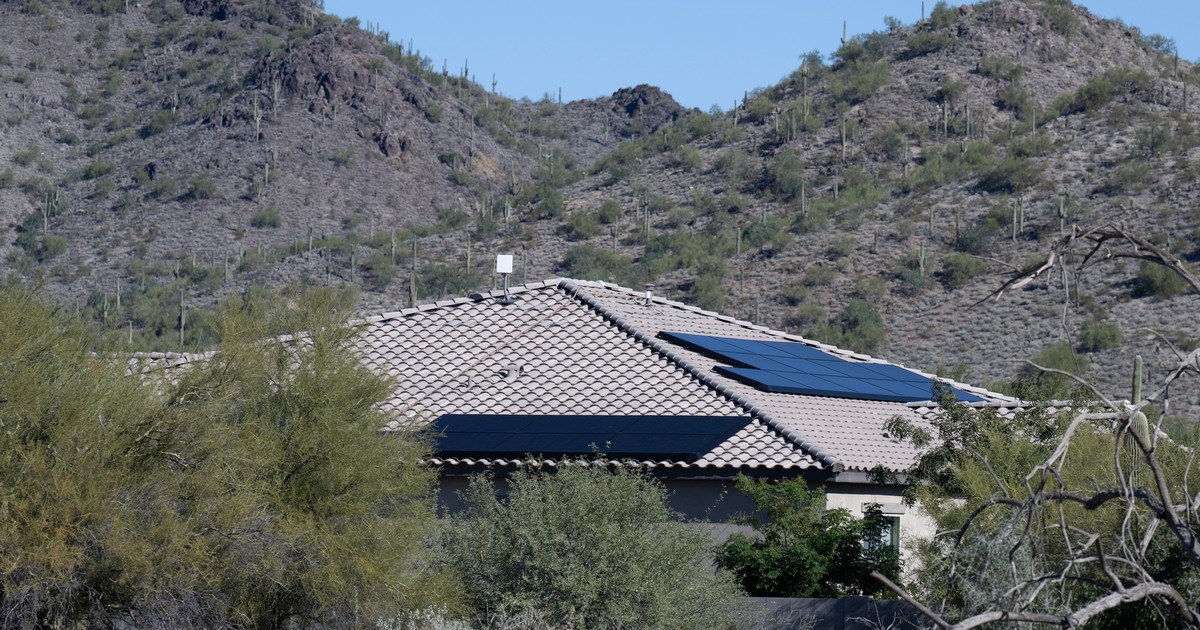
With all the sunshine we get in the Valley, it is no surprise that rooftop solar shows up on plenty of listings. For the right buyer, a home with solar can mean lower electric bills during long Phoenix summers. But solar panels are not all alike, and the way a system is owned can change your loan, your paperwork, and even your closing date.
If you are buying a home with solar panels in Phoenix, or selling one, here is a friendly guide to the questions that matter most, based on Arizona law, the Arizona Association of REALTORS® solar addendum, and lender guidelines.
First Question: Who Owns the Panels?
Fannie Mae’s Selling Guide describes the common ways solar panels are owned or financed, and each one works a little differently in a sale:
- Owned outright: the panels were paid for in cash or the loan is paid off. They typically convey with the home like any other fixture.
- Financed with a solar loan: the seller owns the system but still owes money on it. The balance is either paid off at closing or assumed by the buyer with the solar lender’s approval.
- Leased: a solar company owns the equipment, and the homeowner pays a monthly lease payment.
- Power purchase agreement (PPA): a solar company owns the equipment, and the homeowner pays for the electricity it produces.
Ask about ownership early. A listing that says “solar” could describe any of these arrangements, and they are not interchangeable.
The Arizona Solar Addendum and Its Deadlines
Many Arizona purchase contracts use the Arizona Association of REALTORS® Solar Addendum, updated in November 2025. It has one track for systems that are owned (or utility owned) and another for systems that are leased or still financed. Key timelines include:
- Seller documents: within three days after contract acceptance, the seller delivers the solar documents in their possession. For a lease or loan, that includes the most recent agreement and the company’s contact information, and the seller notifies the solar company of the sale and discloses whether payments are current.
- Buyer review: the buyer can disapprove solar-related items within the inspection period or five days after receiving the documents, whichever is later.
- Assumption approval: for a lease or loan, the buyer applies right away, and the purchase is contingent on approval to take over the agreement on the seller’s existing terms no later than three days before close of escrow.
- Fees: the addendum lets the parties choose who pays transfer and processing fees, and gives the buyer a chance to cancel if the solar company charges a credit score fee for approval.
The form itself cautions that transferring a solar system will likely take significant time, even when it is owned outright, and advises both sides to set a realistic closing date. Starting the transfer paperwork on day one is one of the best things you can do to keep closing on schedule.
How Lenders and Appraisers Look at Solar
Solar ownership affects your financing. Under Fannie Mae’s guidelines, panels that are leased or covered by a power purchase agreement are treated as personal property, and their value cannot be included in the home’s appraised value. A lease payment generally counts in your debt-to-income ratio unless the lease guarantees a specific amount of energy at a fixed payment with a production guarantee. PPA payments based solely on energy produced may be excluded.
For owned panels, Fannie Mae’s appraisal guidance says the appraiser may include their value under standard appraisal requirements. Financed panels that serve as collateral for a separate debt cannot add value to the appraisal unless the documents show they cannot be repossessed. Lenders may also review title for solar-related filings, such as a UCC filing by the solar company. Share any solar documents with your lender as soon as you have them so there are no surprises.
Buying a Home With Solar Panels in Phoenix: Questions to Ask
Arizona’s solar consumer protection law, A.R.S. § 44-1763, requires solar sale and lease agreements to disclose items such as warranty periods for major components, total cost over the life of the agreement, maintenance responsibilities, and any restrictions on transferring the system or the home. That makes the original agreement a valuable document. As you review it, look for:
- The remaining term, the monthly payment, and whether payments increase over time
- Buyout options and what happens at the end of the agreement
- Warranty coverage for panels, inverters, and any battery, and whether it transfers to you
- Who is responsible for maintenance and repairs
- Twelve months of electric bills to see how the system has actually performed
- The age and condition of the roof under the panels
Roof condition deserves extra attention. Arizona law requires solar contractors to have buyers or lessees acknowledge that the roof may need repair or replacement during the agreement, and that removing and reinstalling the panels for roof work that was not caused by the original installation may be the homeowner’s cost. A good home inspection, and possibly a roofer’s opinion, can help you plan.
Utilities, Rate Plans, and Tax Questions
The solar addendum also warns buyers that changing the current electric rate plan could result in a less favorable plan, including the loss of net metering billing status. It asks sellers to keep the electricity on through closing and buyers to transfer service into their name on the day of closing. Talk with the utility about how its rate plans apply to the home before you make any changes.
A few tax points are also worth knowing. Under A.R.S. § 42-11054, solar energy devices designed primarily for on-site use are considered to add no value to the property for Arizona property tax valuation. And according to the IRS, the federal residential clean energy credit is not available for expenditures made after December 31, 2025, so do not count on that credit for a system you buy with a home today. A tax professional can answer questions about your own situation.
If the home is in an HOA, A.R.S. § 33-1816 says a planned community cannot prohibit solar energy devices, though it can adopt reasonable rules about placement.
Tips for Phoenix Sellers With Solar
For sellers, gather your solar agreement, a recent statement, payoff or buyout figures, warranty documents, and the company’s transfer instructions before you list. Knowing whether your system is owned, financed, or leased lets your agent describe it accurately and helps buyers move quickly.
For buyers, ask about ownership before you write an offer, loop in your lender early, and use your inspection period to review the agreement and the roof carefully.
Solar can be a real plus in the Valley when everyone understands the details. A local real estate professional who knows Phoenix-area solar transactions can help you sort out the paperwork and keep your closing on track. Reach out any time to start the conversation.