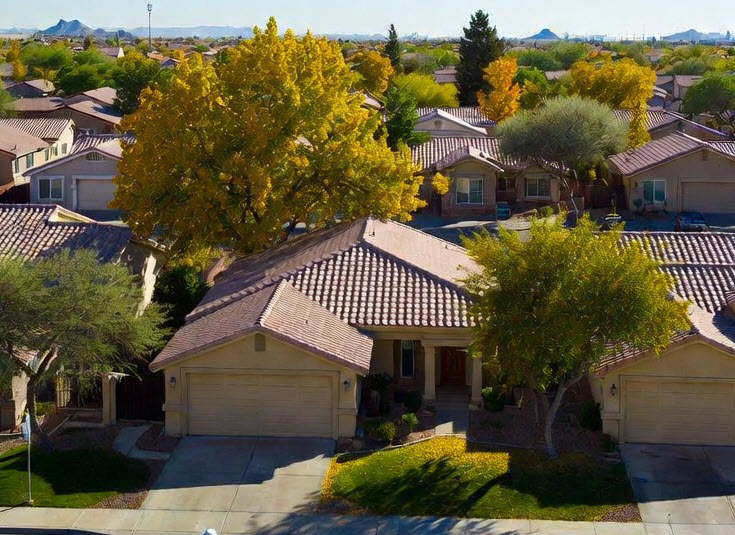
October in Phoenix means cooler temperatures, the return of snowbirds from northern states, and historically one of the steadiest real estate windows of the entire year. In 2026, the market heading into the holiday season is delivering a story that is more encouraging than many expected — and more nuanced than the headlines suggest.
Here is what the data is actually telling us right now.
Phoenix Home Sales Are Climbing Year-Over-Year
The headline number heading into October is a meaningful one: Phoenix area home sales are running approximately 6 percent higher year-over-year according to the most recent data from Phoenix REALTORS. October sales in the broader metro reached nearly 4,000 closed transactions, closely mirroring September’s pace and representing a clear improvement over the same period in 2025.
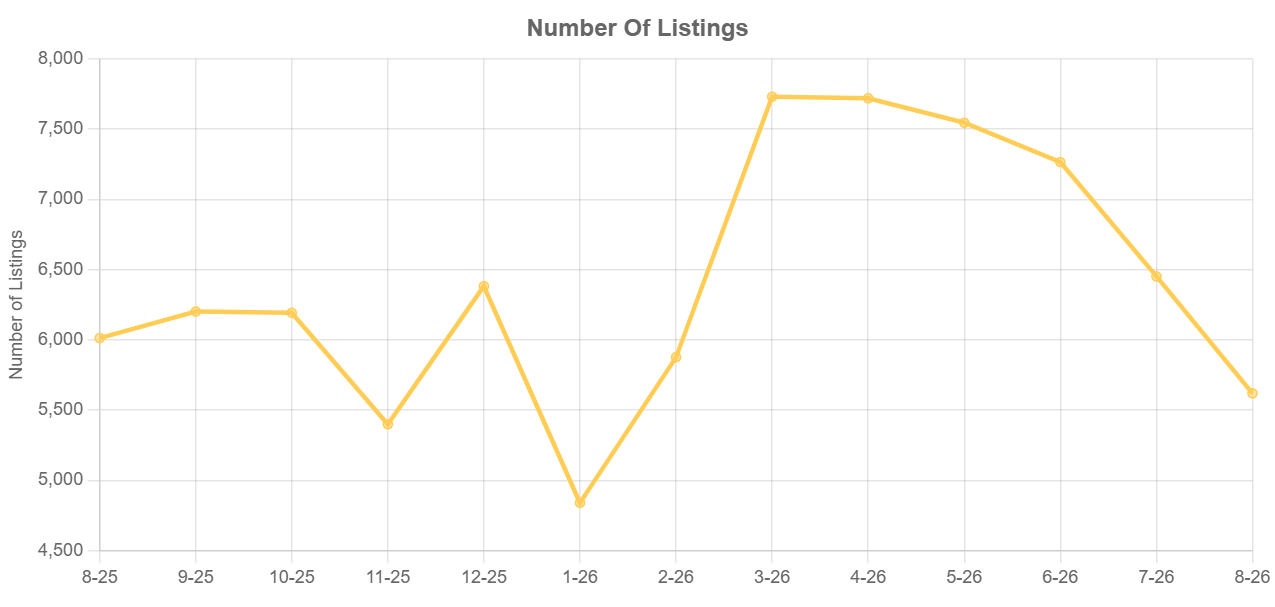
Year-to-date through the first eight months of 2026, over 43,000 homes have sold across the metro with another 42,768 deals pending — numbers that reflect a market with genuine transaction activity beneath its measured exteior. The narrative that Phoenix has gone quiet is simply not supported by the volume data.
Scottsdale stands out as a particular bright spot, with closed sales jumping 11.6 percent year-over-year on a year-to-date basis. In a luxury submarket that many assumed would soften more dramatically as rates climbed, that kind of sales growth signals continued buyer demand from the relocating and high-net-worth buyer pool that Scottsdale consistently attracts.
Where Prices Are Landing
Median sale prices across Greater Phoenix are running in the $460,000 to $533,000 range depending on the submarket and property type, with the year-to-date median for single-family homes up a modest 0.5 to 1.1 percent compared to the same period in 2025. That is not dramatic appreciation — but it is positive movement, and it is happening on top of meaningfully higher transaction volume. Prices moving up on higher volume is a healthy market signal.
Forty-nine percent of October sales in the metro closed under $500,000, confirming that the entry-level and first move-up segments of the market remain active and accessible. For buyers who have been concerned that Phoenix has priced out the working and middle-class buyer, the data suggests otherwise — nearly half of all transactions are happening at prices that remain broadly attainable.
Days on Market: The Real Story
Average days on market across the Phoenix metro currently sits at 94 days on a broad measure, but that number requires some context. Scottsdale’s year-to-date days on market have been running closer to 80 days, and in tight-inventory pockets like Ahwatukee and popular Chandler subdivisions, well-priced homes are still moving meaningfully faster than the metro average suggests.
What the extended days on market number really reflects is the spread between correctly priced homes — which are still selling in reasonable timeframes — and aspirationally priced listings that are sitting, pulling the average up. This is the defining dynamic of the Phoenix market right now: pricing accuracy separates the sellers who are moving their homes from the ones who are watching the calendar.
The Snowbird Effect and What It Means This Fall
October marks the beginning of Phoenix’s snowbird season, as residents from Canada, the Midwest, and the Northeast return to their winter homes and the Valley’s permanent population visibly grows. This annual influx reliably adds buyer activity to the market in the October through February window, particularly in communities like Sun City, Sun City West, Surprise, and parts of Scottsdale and Mesa that attract seasonal residents.
For sellers in communities with strong snowbird appeal, October through January is genuinely one of the stronger listing windows of the year. The buyer pool expands as seasonal residents arrive, and many of those buyers — some on their fifth or tenth winter in Phoenix — eventually decide to make the move permanent. Listing a home in these communities during snowbird season means reaching buyers who already know the community and are actively considering a purchase.
The Economic Foundation Remains Solid
Beneath the day-to-day market data, Phoenix’s economic story continues to provide structural support for housing demand. TSMC’s $100 billion plus expansion in North Phoenix and Intel’s Fab 52 operations are anchoring a semiconductor manufacturing ecosystem that is attracting high-wage jobs, supplier companies, and the workers who fill those roles — all of whom need housing in the Valley.
Net in-migration from California and other high-cost states continues. Dollar sales volume in the metro reached $2.7 billion in October — up 8 percent from the prior year — a figure that reflects the scale of real economic activity in the Phoenix real estate market regardless of what any single price metric shows on a given day.
What This Means for Buyers and Sellers This October
For buyers, October 2026 is one of the better entry windows the Phoenix market has offered in years. Prices are stable, inventory is available, sellers are negotiating on closing costs and repairs, and the combination of higher transaction volume and extended days on market means you have time to be deliberate without watching inventory evaporate overnight. Getting pre-approved and working with an agent who tracks the specific neighborhoods you care about is the right move right now.
For sellers, the improving sales volume is encouraging — but it does not change the fundamental requirement of this market, which is pricing accuracy. The homes that are selling are the ones priced to today’s comparable sales, not the ones anchored to 2022 valuations. A current, honest market analysis from a local agent is the most valuable thing you can get before you list. The buyers are there. The question is whether your price meets them.