
What the Latest Data Means for Phoenix Buyers and Sellers
The Slowdown Was Real — and So Is the Shift
For much of 2026, home price growth across the country has been running well below what most forecasters expected coming into the year. Nationally, prices are up roughly 1.7% year-over-year through mid-2026 — modest appreciation, especially compared to the double-digit surges of 2021 and 2022.
Realtor.com revised its full-year price forecast down to 1.2% — a growth rate that trails inflation, meaning home prices have actually declined in real, inflation-adjusted terms for many buyers. For a while, it looked like the market might stay in that quiet holding pattern indefinitely.
But there are early signs that's starting to change. And for buyers and sellers in Phoenix, understanding what's driving that shift matters.
Why Prices Slowed in the First Place
The story of slowing price growth in 2026 comes down to two intersecting forces: elevated mortgage rates keeping buyers on the sidelines, and improved inventory giving the buyers who do show up more options to choose from.
• Mortgage rates have stayed above 6% for most of 2026, limiting how much home buyers can afford and reducing the pool of active purchasers.
• Inventory nationally is running about 3.6% higher than a year ago — more homes competing for roughly the same number of buyers naturally slows price growth.
• Sellers initially held firm on pricing, leading to a bid-ask gap that stalled transactions. Over time, many sellers reset their expectations and listed more realistically — which helped deals get done, but also kept appreciation subdued.
The result has been a buyer-friendly environment in many markets — more choices, more time, and more room to negotiate than buyers have had since before the pandemic.
What's Starting to Shift
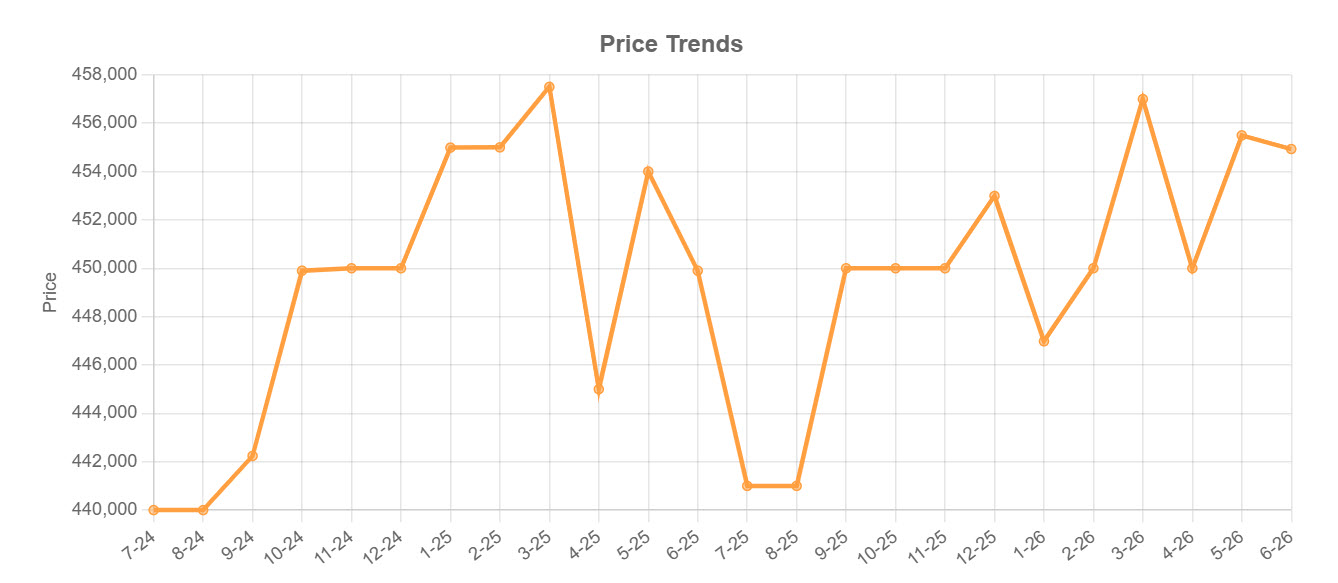
Several factors are now pointing toward a modest acceleration in price growth through the second half of 2026:
• Inventory growth is slowing. After rising sharply in 2025, the number of homes for sale is increasing at a much more moderate pace. Less new supply hitting the market means less downward pressure on prices.
• Buyer demand is holding. Despite elevated rates, existing-home sales have been running slightly ahead of last year's pace. Buyers haven't disappeared — they've just been more selective.
• Monthly payments are improving. The typical buyer's monthly payment is projected to come in 1.9% lower than last year, thanks to a combination of modestly lower rates and slower price growth. As affordability improves, more buyers are expected to step in.
• Rate relief may be coming. Forecasters broadly expect mortgage rates to ease into the low-to-mid 6% range by year-end. Even a half-point reduction meaningfully changes what buyers can afford — and historically, rate drops are followed by demand increases.
None of this points to a sudden price surge. But it does suggest that the window of maximum buyer leverage may be narrowing — and that waiting for prices to drop further is a bet that most economists think won't pay off.
What This Means for Phoenix Buyers
Phoenix has tracked closely with national trends in 2026 — stabilized prices, improved inventory, and buyers with real negotiating room. If rates ease as expected and demand picks up in the second half of the year, that window of leverage may not last much longer.
Buyers who act while inventory is still elevated, sellers are still negotiating, and monthly payments are near multi-year lows are likely to look back on this period favorably. The buyers who wait for absolute certainty often find themselves buying in a more competitive environment than the one they passed on.
What This Means for Phoenix Sellers
The days of automatic appreciation are behind us for now, but the data doesn't suggest a sustained decline either. Phoenix home values are holding — and with the factors above pointing toward modest price improvement in the second half, sellers who have been hesitating may find that the longer they wait, the more normalized the market becomes.
The sellers doing best right now are the ones pricing accurately from the start, presenting their homes professionally, and approaching negotiations with flexibility. That formula is moving homes. Overpriced listings waiting for a market that no longer exists are sitting.
The Bottom Line
Home price growth slowed because rates stayed high and inventory improved — two very understandable forces. The shift now underway is gradual, not dramatic. But for buyers trying to time the market and sellers trying to understand their position, the direction matters as much as the magnitude. And the direction appears to be slowly turning.